

Single unit
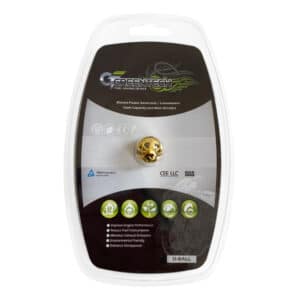
D-Ball
- Tank
- Up to 20 L
- In the box
- Fuel Enhancer × 1
- Fits
- Tuk-tuks, small generators, water pumps and small farm engines
Drop in yourself
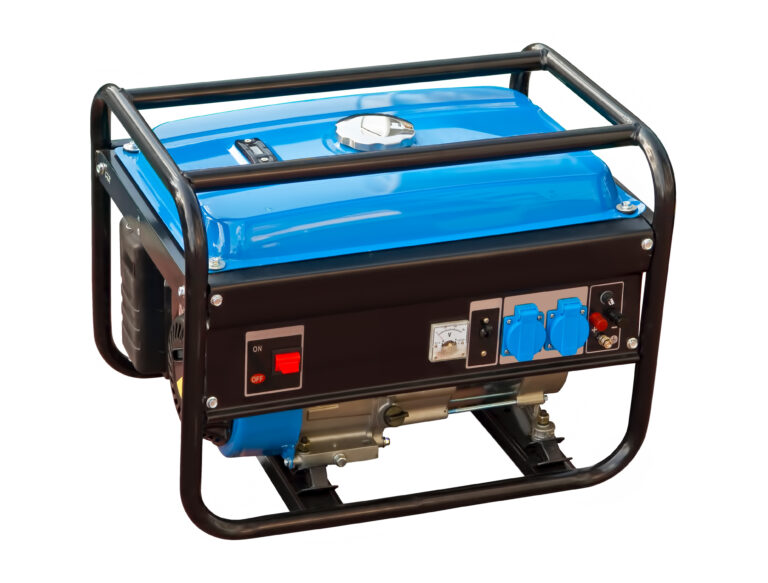 Small generatorsDrop it into the tank
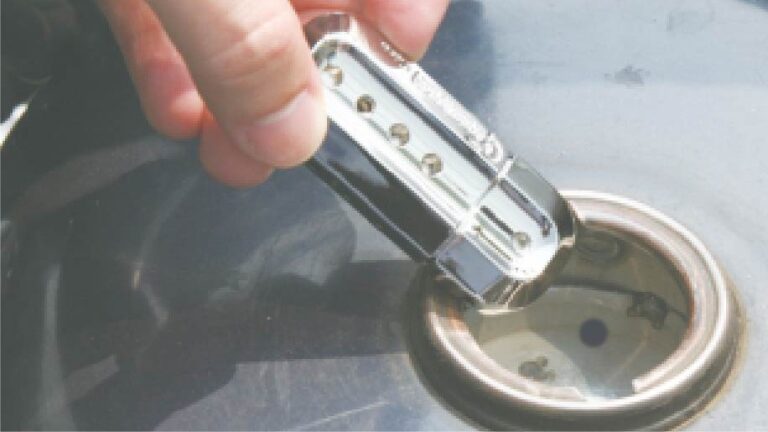 Open the cap, drop it inTuk-tuks, pumps, farm engines
Greentech is a patented, passive fuel enhancer that sits in the fuel tank. Proprietary Greentech Fuel Enhancing Technology helps the fuel atomize finer and burn more completely.
Trucks, buses, generators and boats: drop it in at refuelling. Diesel cars: fitted at a workshop.
Each vehicle is measured against its own original fuel use, so the percentage differs from vehicle to vehicle.
One set per tank; the models ending in 1 add an Air Refiner. Tap a photo for the full solution.
On an ordinary car or pickup the enhancer does not go in through the filler. The workshop drains the tank, then places the enhancer into it through the fuel-pump opening, or where the filler pipe joins the tank underneath. Labour costs vary by area, so ask your workshop for a price first.
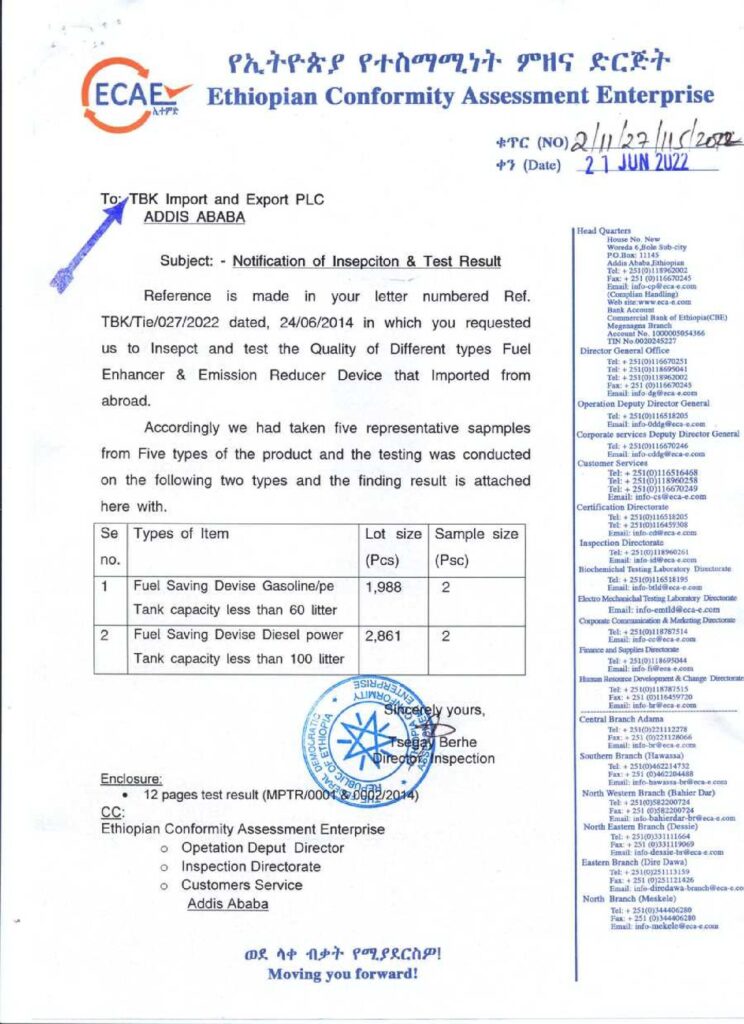
See how it is fitted ↓Small generatorsDrop it into the tankOpen the cap, drop it inTuk-tuks, pumps, farm enginesECAE government test, Ethiopia: Toyota Hilux on a D10, 14.44 → 21.75 km/L
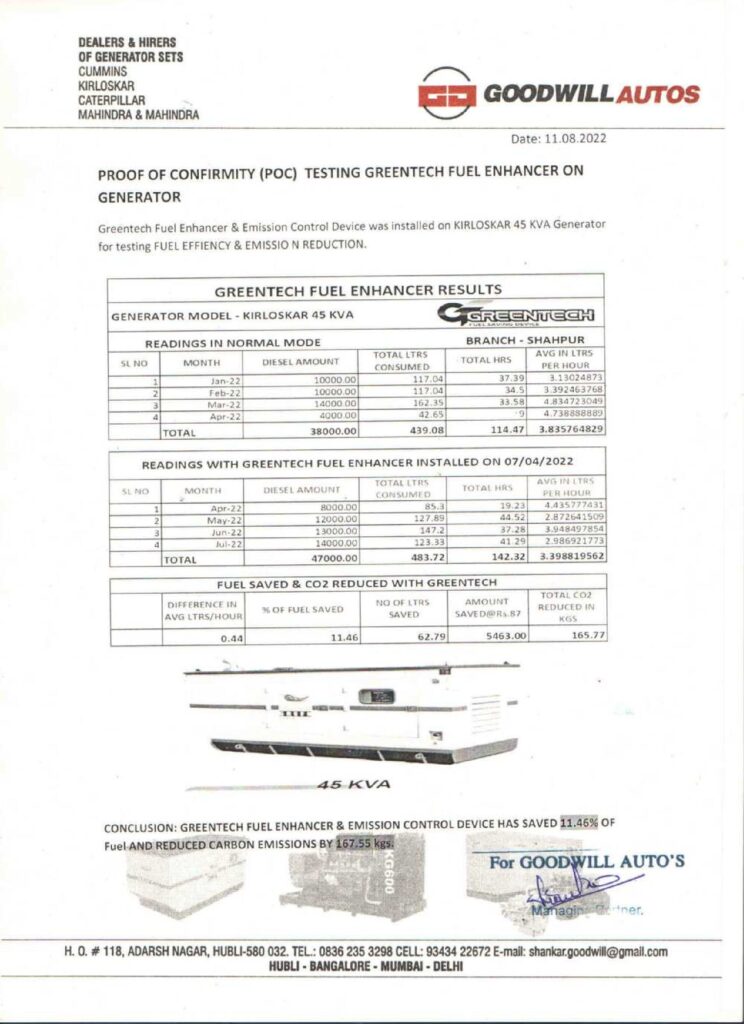
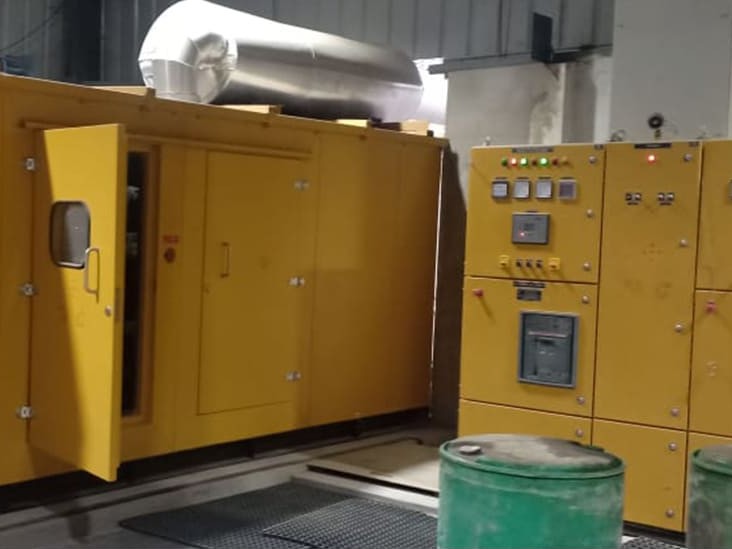
Goodwill Autos, India: two 45 kVA generators on a D10, 11–24% less diesel per hour
D10 also in a blister pack →PS Blue Metals & Mumbai Carriers, India: 4 heavy trucks on the D51, +7.2% km/L over 219,793 km
ENK Plastik, Türkiye: a MAN truck on a D50, 38 → 31 L/100 km
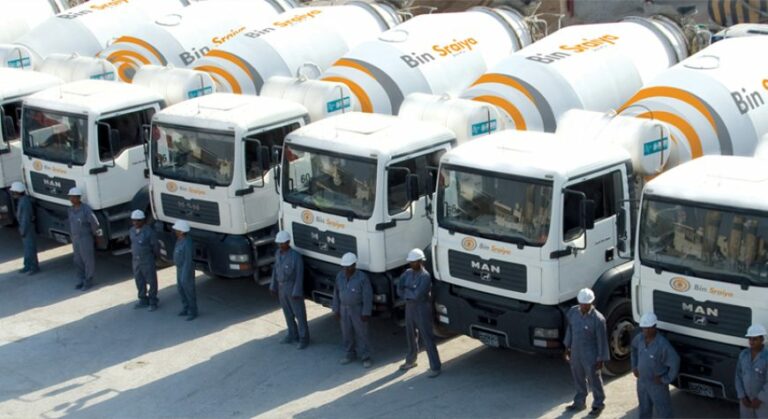
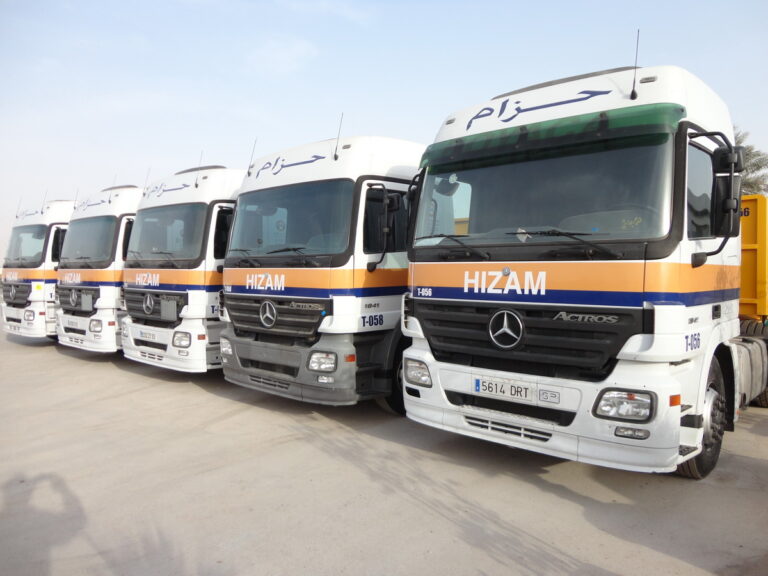
Bin Sraiya, Qatar: a Mercedes truck on a D51, 25% less diesel for the same distance
Every card opens the original document.
Results vary with engine condition, load and route. Each vehicle is measured against its own original fuel use, so the percentage differs from vehicle to vehicle.
The enhancer sits in the tank for about ten years, with no maintenance.
The enhancer must be in direct contact with the fuel, so it always goes inside the fuel tank.
Take the fuel cap off. Can you see the fuel?
✓Yes: drop it in
Motorcycles and scooters, generators and stationary machines, some boats and other machinery: the fuel is right there, so it is simple to drop the enhancer in.
!No: many cars
The filler often has an anti-siphon valve. The tank is reached through the fuel-pump or fuel-sender service opening instead: a job for a workshop, with the fuel drained first.
Never force it down a car's filler.It can jam in the filler pipe, and the pump nozzle will then keep cutting off every time you refuel.
Not sure? Have a qualified mechanic or an authorized Greentech installer do it. Labour costs vary, so ask for a price first.
Installation guide (PDF):English · 中文
⚠Fuel is hazardous and flammable. Do not smoke near the fuel tank.

D20 / D21 / D50 / D51: drop it in at refuelling, no workshop, no downtime
Tanks with internal baffles are fitted by your distributor or a trained installer.
D-Ball / D10: do it yourself, open the cap and drop it in
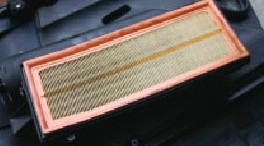
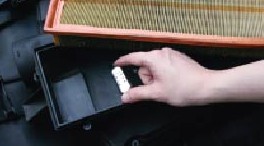
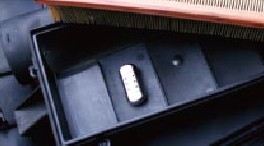
Any workshop can fit it.
Boats save fuel too. Size each tank on its own: a diesel tank up to 500 L takes one D50; a larger tank takes one D50 per 500 L (2,000 L = four), or a made-to-order size; from 10,000 L per tank, one MFS-T10000 per 10,000 L. A generator with its own day tank gets its own unit (D10 up to 100 L, D50 up to 500 L). More complete combustion raises engine speed and output, so ask the engine maker first whether the engine has room for it. Size your tanks on the marine page →

Diesel cars are fitted in a workshop, and fleets run their own service bays: both are natural partners for the Greentech diesel line. Workshops, garages and fleet service shops are welcome to apply in their country.
Pick by tank size, one set per tank: D-Ball up to 20 L, D10 up to 100 L, D20 up to 200 L (two units in the pack), D50 up to 500 L. To treat the air intake as well, choose the complete set: D11, D21 or D51. Product Selector →
On an ordinary car or pickup the enhancer does not go in through the filler. A workshop drains the tank, then places the enhancer into it through the fuel-pump opening, or where the filler pipe joins the tank underneath. Labour costs vary by area, so ask your workshop for a price first. See the fitting diagram →
At refuelling: open the fuel cap and drop the enhancer into the tank. A D20 holds two units; both go into a tank of up to 200 L, or one into each tank of a twin-tank vehicle (each up to 100 L). For larger tanks choose the D50, one set per tank. Tanks with internal baffles are fitted by your distributor or a trained installer.
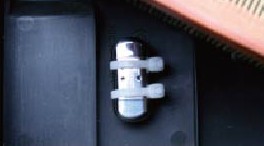
The D11, D21 and D51 complete sets add an Air Refiner. It sits inside the air filter housing, on the intake side before the filter, held with the supplied cable ties. Any workshop can fit it. See the four steps →
Yes, boats save fuel too. Size each tank on its own: up to 500 L, one D50; above that, one D50 per 500 L (2,000 L = four), or a made-to-order size; from 10,000 L per tank, one MFS-T10000 per 10,000 L. A generator with its own day tank gets its own unit. More complete combustion raises engine speed and output, so ask the engine maker first whether the engine has room for it. Size your tanks on the marine page →
Documented fleet savings run from 5% to 25%. Each vehicle is measured against its own original fuel use, so the same fuel saved shows as a different percentage on different vehicles. Results vary with engine condition, load and route. Log your fuel in the free Fleet Fuel Log →
No maintenance: the enhancer stays in the tank for about ten years. Register the serial number for the 12-month product warranty. It covers the unit itself: if something goes wrong with it after installation, we replace it with a new one. Verify & register →

Trucks, buses, machines, generators or boats: tell us the models, tank sizes and how many, and we match the models, quote and arrange fitting.
Looking for gasoline models? →

 Diesel SUVs
 Diesel pickups


 Wheel loaders
 Tractors & harvesters


 Mixers & tippers
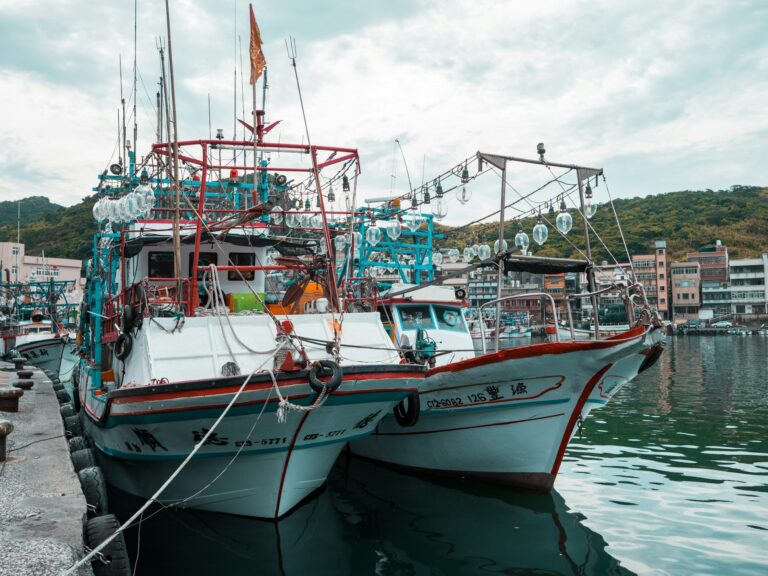 Fishing boats & workboats