
How to Fit an Industrial Gas Saving Module: Greentech LPG/CNG/PNG Line Configuration and Site Survey
Greentech industrial gas modules already follow a standard installation procedure in steel heat treatment, ceramic kilns, glass lines, foundries, and powder-coating ovens, where gas is the biggest energy cost.
As of September 2026, 400 units are installed in India. Seven factories have published figures from their own gas meters in the 7–20% range: MSM Spring India (Mitsubishi Steel group) 1,000°C hardening furnace 12%; CUMI (Murugappa Group) ceramic spray dryer 14.6% less gas per kg of product; Sonya Ceramics kiln 10%; Borosil glass tableware line 8–10%; Indo Shell Cast foundry about 20% less LPG per tonne; Metsmith powder-coating oven 10–15%.
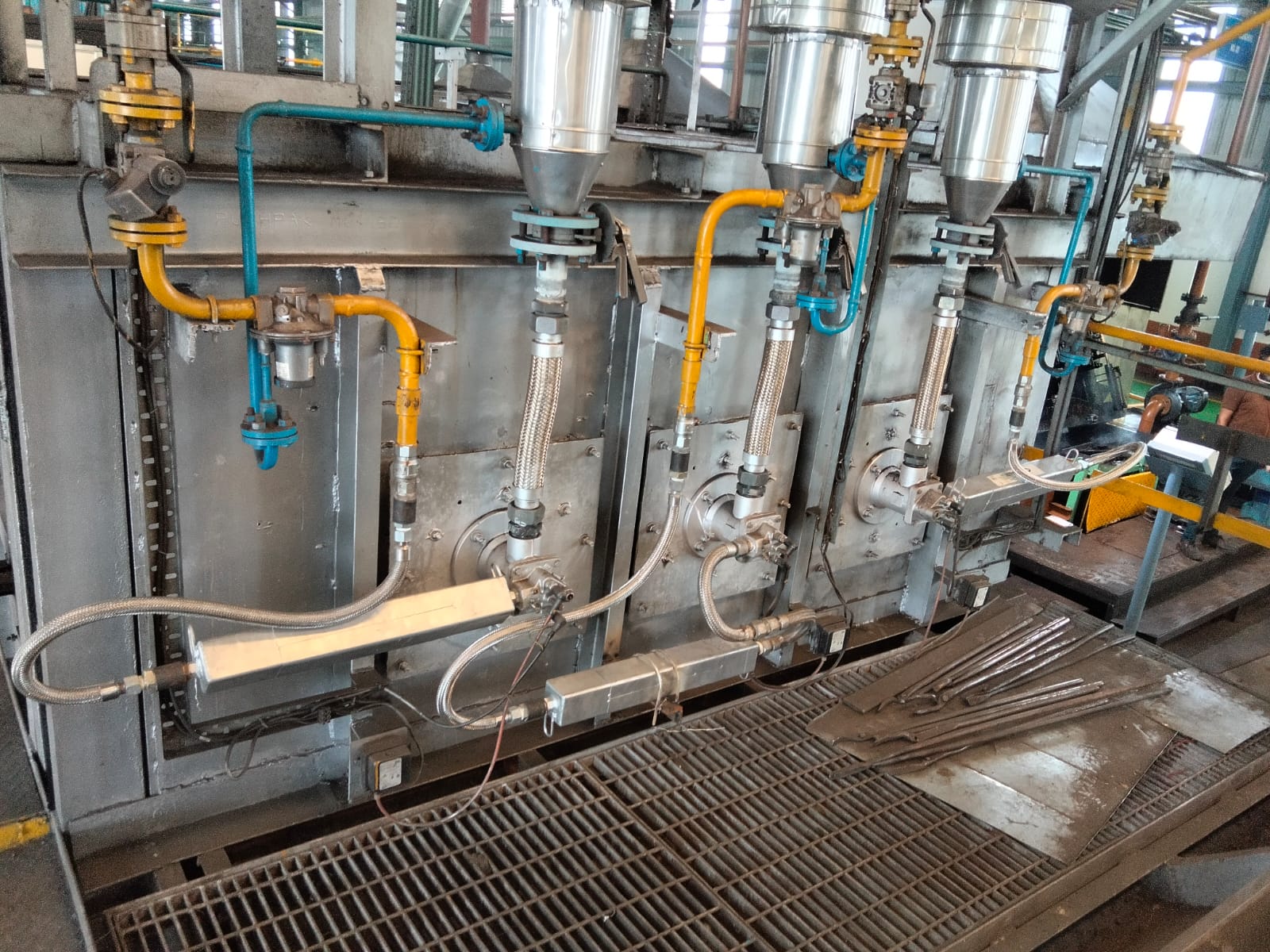
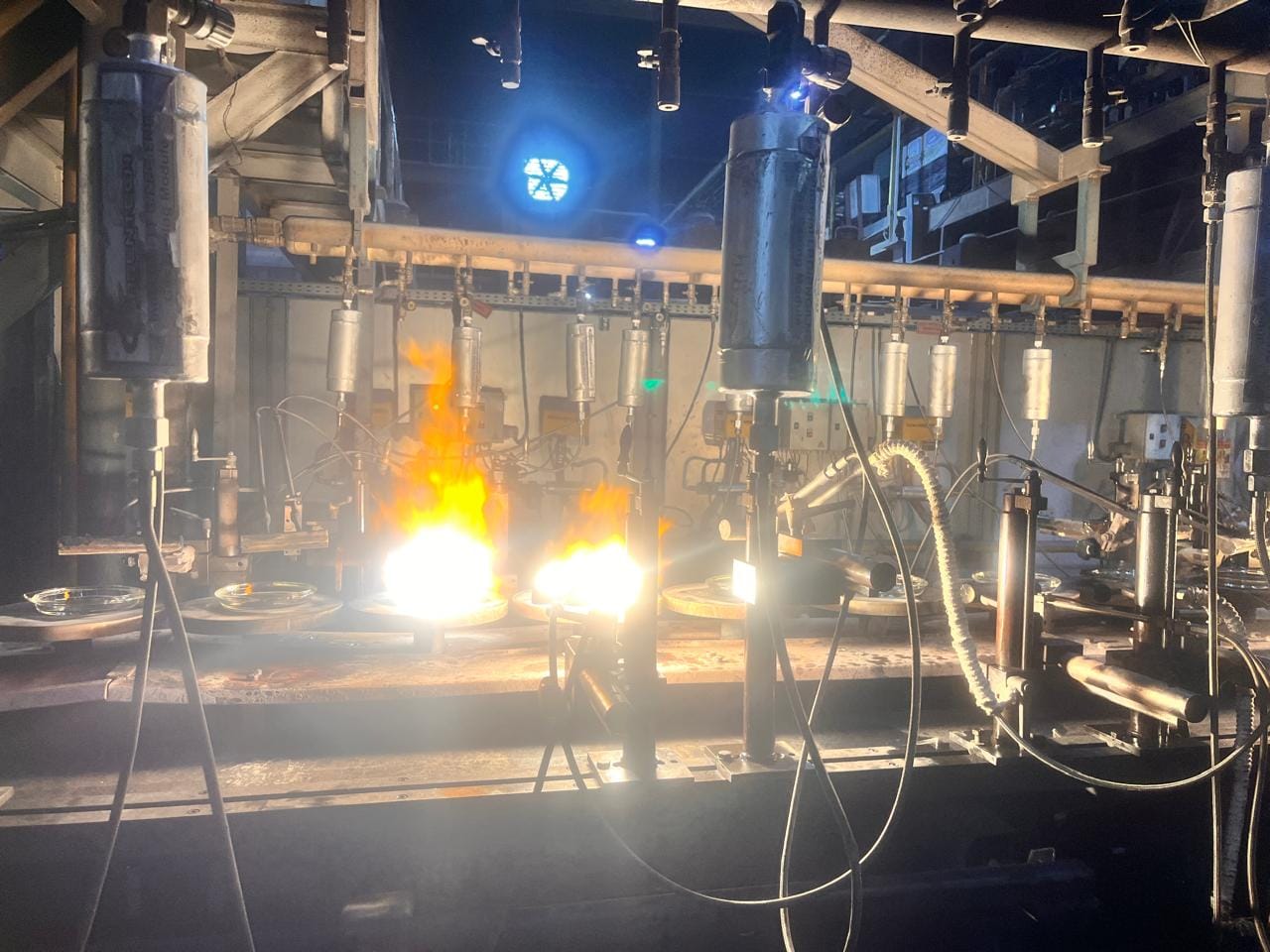
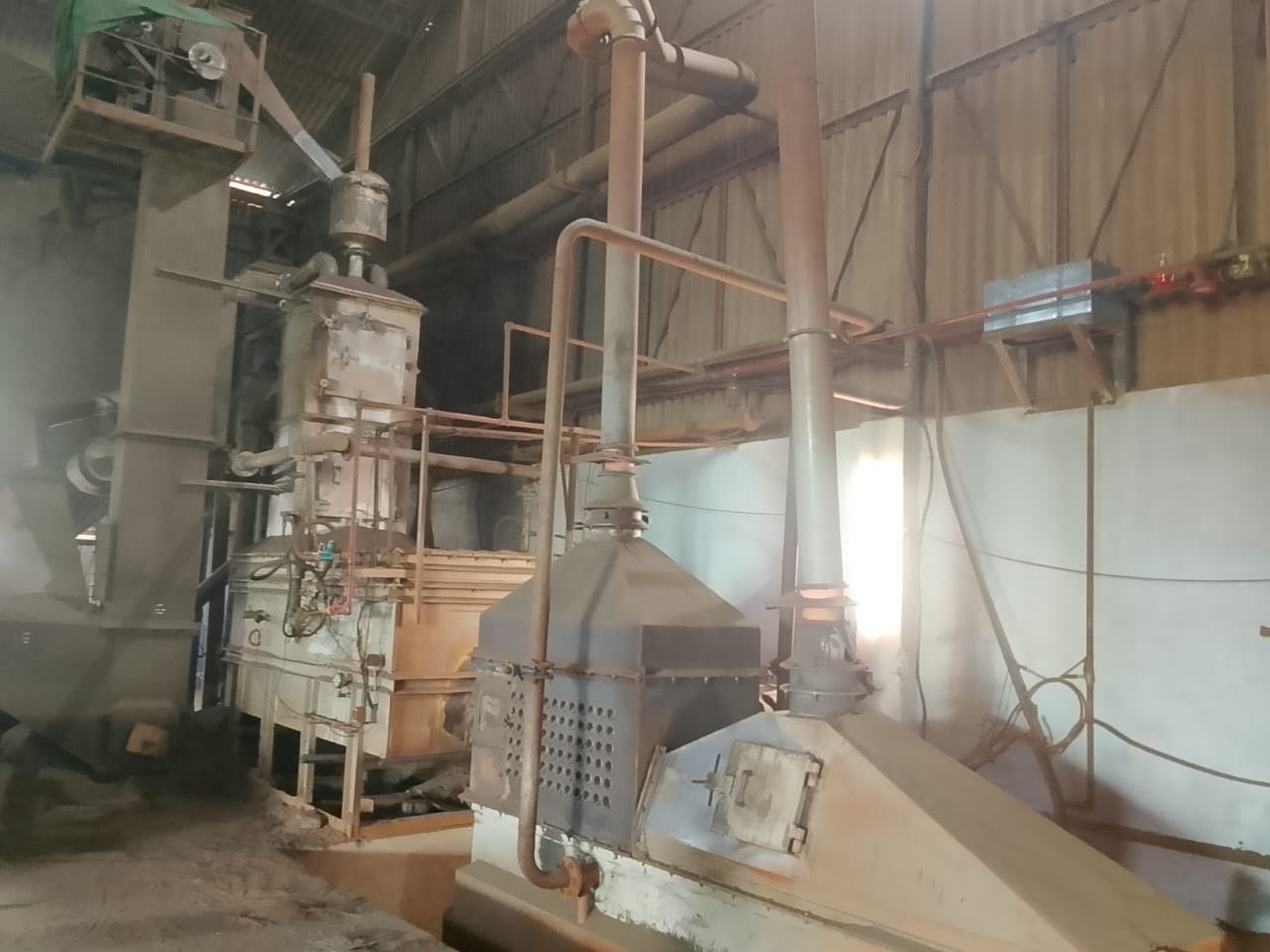
Three formats cover the site: a large main-line module, a burner enhancer, and a vehicle kit. Product details →
1. Installation principles
- Non-invasive, in-line. The module connects into the gas line feeding the burner, boiler, or kiln. The burner’s nozzles, air dampers, and control valves stay exactly as they are. Process settings and furnace temperature are not touched.
- Enough contact. The gas must spend enough time passing through the module. So the module bore and length are set to match the line size and flow rate, with no pressure drop and no restriction. That’s why every site is measured first and configured second, not picked off a pipe-size chart.
- Nothing consumed, no maintenance. No power, no filter media or chemicals to replace. Service life about 10 years.
- Output unaffected. MSM Spring India’s 1,000°C furnace kept its output and temperature after installation. Only the gas went down.
2. What the site survey measures
Before installation, the distributor or the Greentech technical team records six items:
- Gas type: LPG, PNG or CNG
- Supply-line outer diameter (inches or mm) and material
- Maximum gas flow per hour (m³/h or kg/h)
- Operating pressure (bar or kPa)
- Number and layout of burners: one module on the main line, or one per burner
- Daily operating hours and monthly gas consumption, as the baseline for savings
With these six, we specify the module format, quantity and price.
3. How savings are verified
The factory compares gas use at the same output before and after, using its own gas flow meter or monthly gas bill. That’s where the seven factories’ figures come from: their bills, not our lab. Case studies →
4. Where it applies
Applies: continuously running industrial burners, boilers, kilns, heat-treatment furnaces, dryers and ovens. LPG/CNG vehicles can also be installed; conversion repair shops are welcome to apply as distributors.
Does not apply: forklifts with swappable gas cylinders. The module needs a fixed line.
Next step: send us the six survey items for a configuration and quote. Niveda Green, Greentech’s gas distributor in India, serves customers there.
Frequently asked questions
Does the burner need modifying?
No. The module connects in-line on the gas supply. Nozzles, air dampers, control valves, and process settings stay as they are.
How are savings verified?
By comparing gas use at the same output before and after installation, on the factory’s own gas flow meter or monthly gas bill. The seven published Indian figures were measured this way.
Can swappable-cylinder forklifts use it?
No. The module is installed on a fixed gas line. Forklifts that swap cylinders have no fixed line to fit it on.