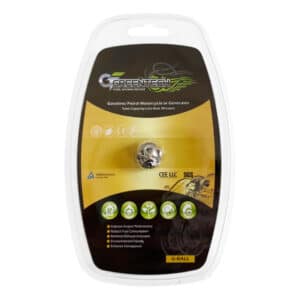
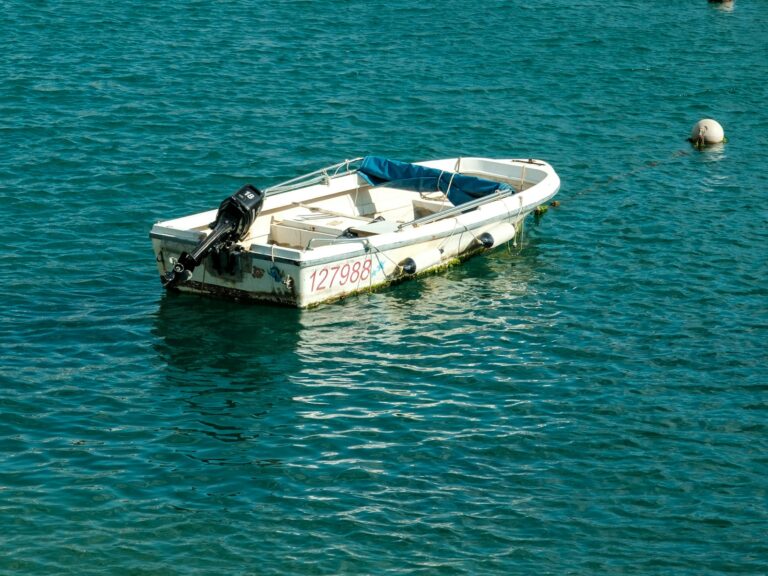
 Portable tank up to 20 L
Outboards, tenders & jet skis
Open the cap of the portable tank and drop one G-Ball in. It stays there through every refill.
More about this boat type →
The same passive fuel enhancer that runs in more than 58,000 engines on land, in the sizes boats use. It sits in the fuel tank: no engine work, no wiring, nothing to replace for about ten years.
Fuel use on a boat changes with sea state, load and rpm, so we publish no saving figure for boats. Log fuel per hour at the same rpm for a few trips before and after to see your own.
One unit per fuel tank, chosen by fuel and tank size. Buy adds it straight to the cart.
Portable tank up to 20 LOpen the cap of the portable tank and drop one G-Ball in. It stays there through every refill.
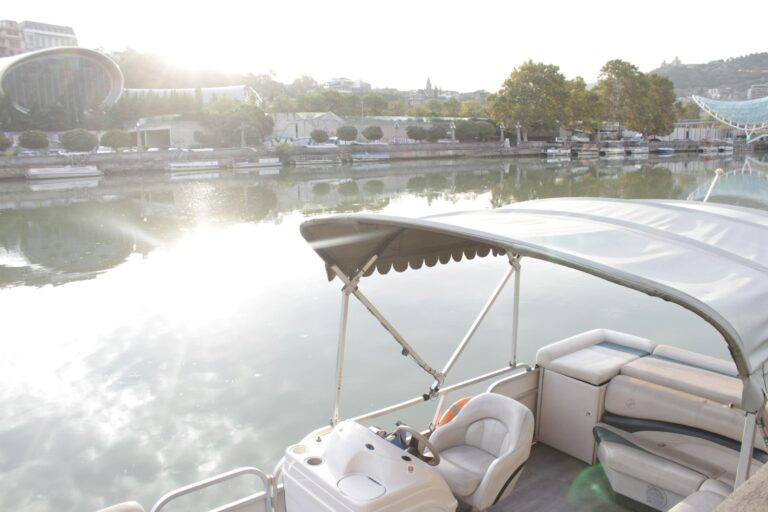 Built-in tank up to 60 L · up to 100 L
Through the fuel fill, one per tank: G10A for tanks up to 60 L, G10 up to 100 L. Over 100 L, ask us for a made-to-order unit.
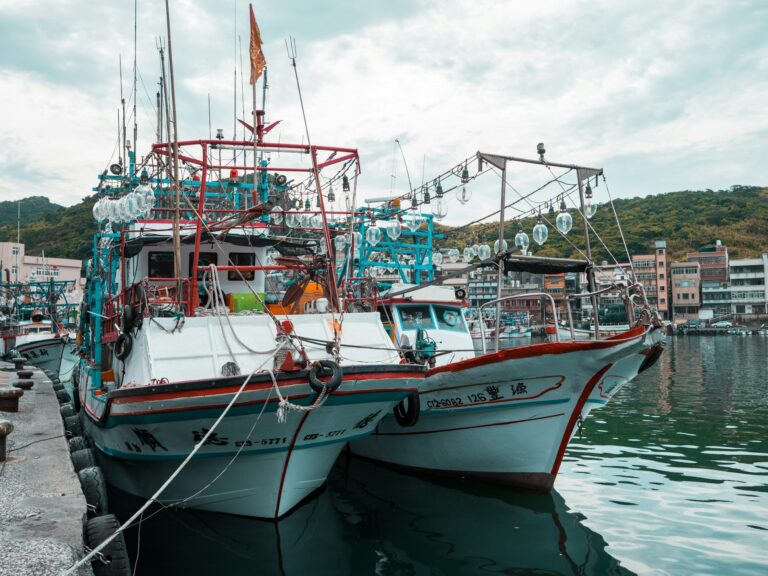 Diesel · one D50 per 500 L of tank
Count each tank: one D50 per 500 L (a 2,000 L tank takes four), through the filler or the inspection hatch. Up to 10,000 L per tank.
 Generator with its own day tank
A generator with its own day tank gets its own unit: D10 up to 100 L, D50 up to 500 L. If it draws from the main tanks, the main-tank units cover it.
 Tanks of 10,000 L and more
One MFS-T10000 per 10,000 L of tank, placed above the sludge layer after a pre-installation survey. Quoted per vessel, not sold online.
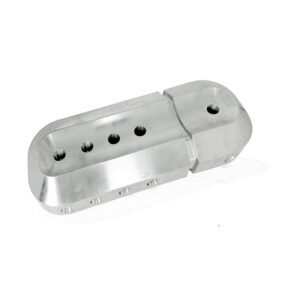
Boats save fuel too. More complete combustion raises engine speed and output, so ask the engine maker first whether the engine has room for it.
USD · shipping and tax at checkout
Enter each tank. Separate tanks are counted separately; a generator with its own day tank is one more tank.
Enter the capacity of each tank.
Boats save fuel too. More complete combustion raises engine speed and output, so ask the engine maker first whether the engine has room for it.
Fuel is flammable. Engine off before you open the tank. No smoking near the tank, no sparks or open flame; work in a ventilated space and wipe up any spill. If in doubt, have a marine technician or a Greentech authorised installer put it in.
Proprietary Greentech Fuel Enhancing Technology helps the fuel atomise finer at the injector or carburettor and burn more completely: less unburnt fuel out of the exhaust, less smoke, less carbon.
It is a passive unit in the tank: no additive, no wiring, no change to the engine, the fuel system or the electrics. Its materials have been tested by SGS.
More complete combustion raises engine speed and output. Before fitting, ask the engine maker whether the engine has room for it, as you would for any change to how the engine runs.

Vietnam Register replied in writing that such a device is not part of a ship's structure, machinery or electrical systems; its use in the tank must follow the fuel-system and engine-room safety rules, and on international voyages it is recorded in the ship's SEEMP for review by the class society.
Letter (PDF, VI/EN) →Twenty years of measured results on cars, trucks, buses and generators, with the original documents to download. Boats use the same enhancer; measure your own boat the same way.
All official reports →Check the serial number online to confirm it is genuine and register it for the product warranty. The warranty covers the unit itself; fuel use varies with the day's work and is not part of it.
Check a serial number →By fuel and tank size, one unit per tank. Gasoline: G-Ball for a portable tank up to 20 L, G10A for a built-in tank up to 60 L, G10 up to 100 L; over 100 L, ask for a made-to-order size. Diesel: one D50 per 500 L of each tank (2,000 L = four), up to 10,000 L per tank. From 10,000 L per tank, ships take one MFS-T10000 per 10,000 L.
Portable tanks: open the cap. Built-in gasoline tanks: a standard 1.5-inch fill passes the G10A and G10; if the fill has a screen or a flap, use the sender or inspection hatch. Diesel tanks: through the filler or the inspection hatch. Never force it: if it does not go in freely, use the hatch.
Four D50, one per 500 L, spread along the tank. Two 1,000 L tanks take two each. A generator with its own day tank is one more: D10 up to 100 L, D50 up to 500 L.
No. It is a passive unit in the tank; the engine, fuel system and electrics stay as they are. Because more complete combustion raises engine speed and output, ask the engine maker first whether the engine has room for it.
It has no electrics and adds nothing to the fuel; Vietnam Register confirmed in writing that such a device is not part of a ship's machinery or electrical systems. The only care is at fitting time: fuel is flammable, so engine off, no smoking, no sparks or flame near the tank.
Water at the bottom of the tank or E10 gasoline is no problem for the casing. The unit sits in the fuel and stays there for about ten years.
Fuel use on a boat swings with sea state, load and rpm, so compare like with like: log litres per hour at the same rpm, or fuel per trip on the same run, for a few trips before and a few after. We publish no saving figure for boats.
Yes. A G10A is a G10A whether it goes into a car or a boat: one product, one serial number system, one 12-month product warranty. The sizing and fitting on this page are what is different on a boat.
Buy here; the button adds it to the cart and you check out on this site. Marine engine dealers, boatyards and chandlers can apply to become a Greentech distributor. Shipyards that build fuel systems can ask about the Greentech Capsule.
Sell and fit Greentech for the boats you already service. Serialised units, published reports and this page are yours to show your customers.
The G-Ball, G10A, G10, D10 and D50 sold on this page are the same Greentech fuel enhancers used in cars, motorcycles, trucks and generators: one product, one serial-number system, one 12-month product warranty. Prices in USD; shipping and tax are added at checkout.